How Concrete Finishing Techniques Impact Durability and Appearance
To improve durability and appearance, local concrete finishing service providers use techniques that ensure a smooth, long-lasting surface tailored to your needs.
Understanding how concrete finishing techniques impact durability and appearance is essential for property owners looking to enhance the longevity and visual appeal of their surfaces. Whether planning a new driveway, patio, or commercial flooring, the right finishing methods can significantly influence how well the concrete withstands daily wear and tear while maintaining a polished look. For those in the area considering these projects, exploring the options available through experienced service providers can help ensure that the finished product meets both aesthetic preferences and practical needs.
Property owners often seek insights into concrete finishing because it directly affects the overall performance and style of their spaces. Skilled local contractors offer a variety of finishing techniques tailored to specific applications, helping to improve surface smoothness, slip resistance, and resistance to cracking. By understanding how these techniques impact durability and appearance, property owners can make informed decisions and connect with service providers capable of delivering results that stand the test of time while enhancing visual appeal. Keep reading to discover how choosing the right finishing approach can make a meaningful difference in your project.
- Concrete driveway installations are often needed to enhance curb appeal and withstand heavy traffic, with local contractors applying finishing techniques that improve both durability and appearance. Decorative concrete overlays may be sought for aesthetic upgrades in outdoor spaces, where local pros use specialized finishing methods to ensure long-lasting results. Industrial flooring projects require smooth, durable surfaces, and local service providers utilize specific finishing techniques to resist wear and maintain visual appeal over time. Patio and walkway projects benefit from precise finishing to create attractive, weather-resistant surfaces, with local contractors emphasizing techniques that enhance both look and longevity. Commercial concrete surfaces, such as parking lots, rely on proper finishing to handle frequent use while maintaining a clean appearance, with local pros focusing on techniques that maximize durability and visual quality.
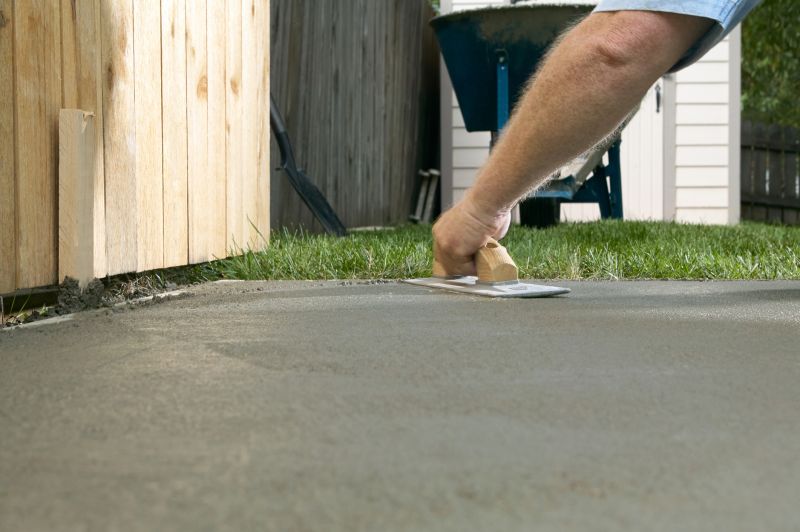
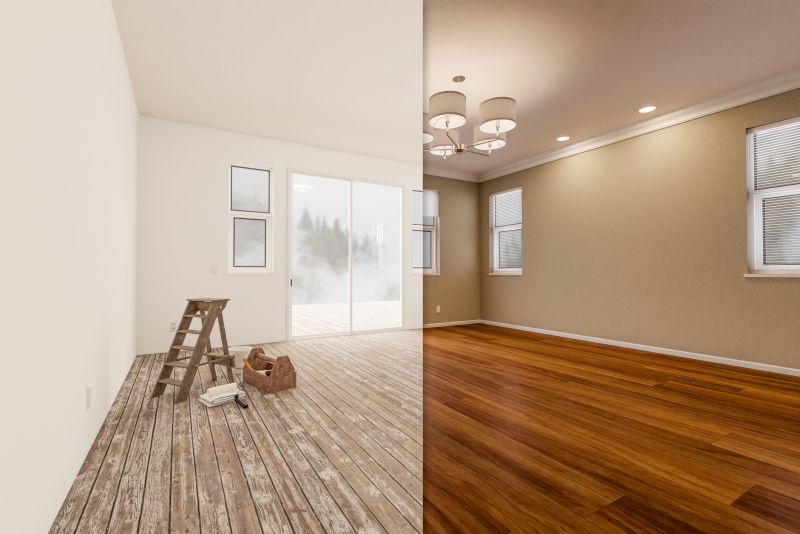
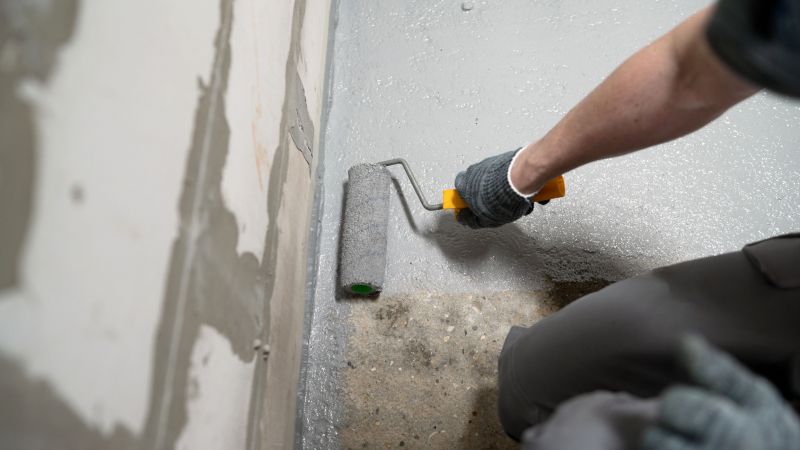
When people search for how concrete finishing techniques impact durability and appearance, they are often trying to understand how the finishing process affects the long-term performance and visual appeal of their concrete surfaces. This topic is relevant for homeowners planning new concrete installations or renovations, such as driveways, patios, walkways, or basement floors. The finishing techniques used during the pouring and setting stages can influence how well the concrete withstands daily wear, weather conditions, and heavy loads, while also determining its final look. Homeowners typically want a surface that not only looks attractive but also resists cracking, spalling, or deterioration over time, making the choice of finishing method an important consideration in their project plans.
Concrete finishing techniques are closely tied to common problems like surface cracking, uneven wear, or surface roughness that can diminish both durability and appearance. For example, improper finishing might lead to a surface that is prone to chipping or scaling, especially in outdoor settings exposed to the elements. Conversely, a well-executed finish can enhance the concrete’s resistance to these issues, extending its lifespan and maintaining its visual quality. When planning a concrete project, property owners often consider whether the finishing method will suit their specific property type and usage needs-whether it’s a decorative patio, a high-traffic driveway, or a foundation slab. Local service providers can assess these factors and recommend finishing techniques that optimize both durability and aesthetic appeal.
The types of properties that come up in discussions about concrete finishing are diverse, including residential homes, commercial buildings, and public spaces. Residential properties frequently feature decorative finishes like stamped or textured surfaces to improve curb appeal, while commercial sites might prioritize slip resistance and load-bearing strength. Public spaces such as parks or sidewalks require finishes that can endure constant foot traffic and weather exposure without deteriorating. The choice of finishing technique depends heavily on the property’s function, location, and desired appearance, which is why consulting with experienced local contractors is essential. These professionals can evaluate the specific conditions of a property and recommend finishing methods that enhance both the look and longevity of the concrete surface.
Ultimately, understanding how concrete finishing techniques impact durability and appearance helps property owners make informed decisions about their projects. Proper finishing not only boosts the visual appeal but also plays a crucial role in protecting the concrete from damage over time. Local contractors who specialize in concrete finishing bring valuable expertise in selecting and applying the right techniques for each property type and use case. By working with experienced service providers, homeowners can ensure their concrete surfaces are both attractive and resilient, achieving a balance between aesthetics and long-term performance that aligns with their project goals.
Stamped concrete projects - these projects require precise finishing techniques to achieve detailed patterns that enhance both durability and visual appeal.
Garage floor coatings - applying smooth, durable finishes on garage floors involves skills similar to those used in high-quality concrete finishing for longevity and aesthetics.
Patio and outdoor surface installations - finishing techniques are essential for creating attractive, weather-resistant surfaces that withstand outdoor conditions.
Industrial flooring applications - these projects demand strong, uniform finishes to ensure long-term durability and resistance to heavy use.
Driveway resurfacing - proper finishing methods improve surface strength and appearance, helping driveways resist cracking and staining over time.
Concrete countertop fabrication - achieving a smooth, polished surface involves finishing skills that directly impact both the look and durability of the final product.
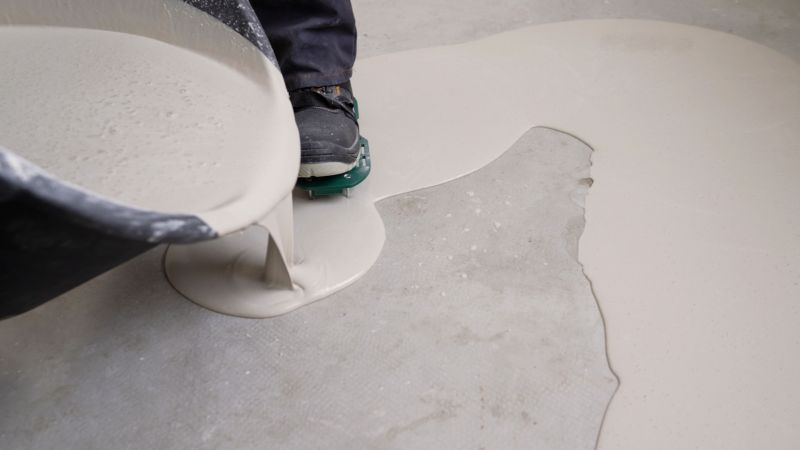
When evaluating concrete finishing services, it’s important to consider a contractor’s experience with similar projects. An experienced service provider will have a solid understanding of how concrete finishing techniques influence both durability and appearance, ensuring that the finished surface withstands daily wear and maintains its visual appeal over time. Asking about past projects that resemble the scope and style of the desired finish can provide insight into their expertise and the quality of work they deliver.
Clear, written expectations are essential when comparing local contractors for concrete finishing. A reputable service provider will communicate the specific finishing techniques they plan to use and explain how these methods impact the longevity and look of the concrete surface. Having detailed documentation helps prevent misunderstandings and ensures that both parties agree on the scope of work, quality standards, and desired outcomes, leading to a more successful project.
Reputable references and strong communication skills are key factors in choosing a service provider. Contractors with positive references can offer reassurance about their ability to deliver durable, visually appealing finishes that meet expectations. Good communication throughout the process allows homeowners to ask questions, receive updates, and feel confident about the work being performed. Ultimately, selecting local contractors known for their professionalism and responsiveness can make a significant difference in achieving a concrete finish that balances durability with aesthetic appeal.
Property owners often search for how concrete finishing techniques impact durability and appearance when they are planning practical projects around their homes and businesses. Local pros provide Concrete Finishing services for everyday jobs and straightforward project options.
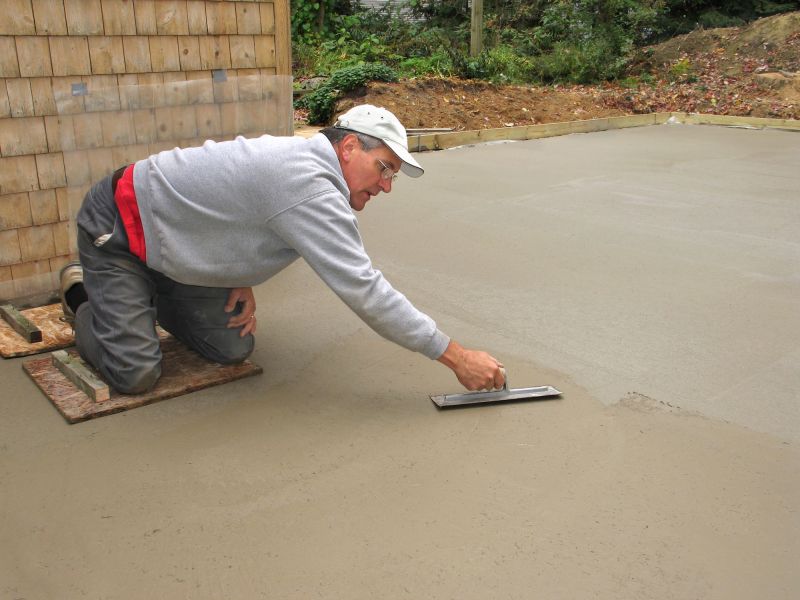

Understanding how concrete finishing techniques impact durability and appearance is essential for property owners planning outdoor projects like driveways, patios, or walkways. Proper finishing methods can help ensure the concrete withstands daily wear and tear, resisting cracking and surface deterioration over time. Local contractors skilled in concrete finishing can recommend techniques tailored to specific project needs, helping to create a smooth, attractive surface that maintains its look and strength for years to come.
Many property owners seek concrete finishing services to improve the overall look of their outdoor spaces while also enhancing longevity. Whether aiming for a sleek, polished surface or a textured finish for slip resistance, the right techniques play a key role in achieving the desired outcome. Connecting with experienced service providers in the area can provide guidance on the best finishing options to boost both the durability and visual appeal of concrete surfaces, ensuring long-lasting results that complement the property.
How do concrete finishing techniques influence the durability of a surface? Proper finishing techniques help improve concrete's resistance to cracking, wear, and weather damage, ensuring a longer-lasting surface when handled by experienced local contractors.
In what ways can concrete finishing impact the appearance of a project? Finishing methods such as smoothing, stamping, or texturing can enhance visual appeal, creating a polished or decorative look that complements the overall design, with local pros applying these techniques skillfully.
Are certain finishing techniques better for increasing concrete's resistance to weather elements? Yes, techniques like sealing and specific surface treatments performed by local service providers can improve resistance to moisture, freeze-thaw cycles, and other environmental factors.
How does the choice of finishing technique affect the surface's maintenance needs? Some finishes, such as smooth or sealed surfaces, require less upkeep, while textured or decorative finishes may need periodic cleaning or resealing, with local pros advising on the best options for durability and appearance.
Can proper concrete finishing help prevent surface deterioration over time? Yes, appropriate finishing techniques can minimize surface cracking, spalling, and other forms of deterioration, especially when performed by local contractors experienced in durable finishes.
Surface Preparation - Proper surface preparation ensures a smooth, even base that enhances both the appearance and longevity of concrete finishes, making it suitable for driveways or patios.
Choosing Finishing Techniques - Selecting the right finishing techniques, such as stamping or polishing, can improve aesthetic appeal while providing additional protection against wear and weather.
Sealing Methods - Applying quality sealers after finishing helps prevent water penetration and surface damage, extending the durability of concrete surfaces in everyday use.
Consistent Application - Ensuring consistent application of finishing techniques by experienced local contractors results in a more uniform appearance and increased surface resilience.
If you are thinking about how concrete finishing techniques impact durability and appearance for a property, this guide is meant to help you understand this topic, the typical project types, and how different options might fit your plans.
When you are ready, you can use the quote form on this page to share a few details about your project. From there, local pros can review the basics and follow up with options that match what you have in mind.